Shilajit honey is a modern take on two traditional wellness staples: mineral-rich shilajit resin and naturally occurring honey. Blended carefully, they create a convenient, tasty way to add shilajit to a daily routine. But what is shilajit honey exactly, why do people take it, and how can you tell a good product from a gimmick?
This guide breaks down what shilajit is, why the honey format is so popular, the most common benefits people look for, and the practical basics of dosing, timing, and quality checks.
What is shilajit?
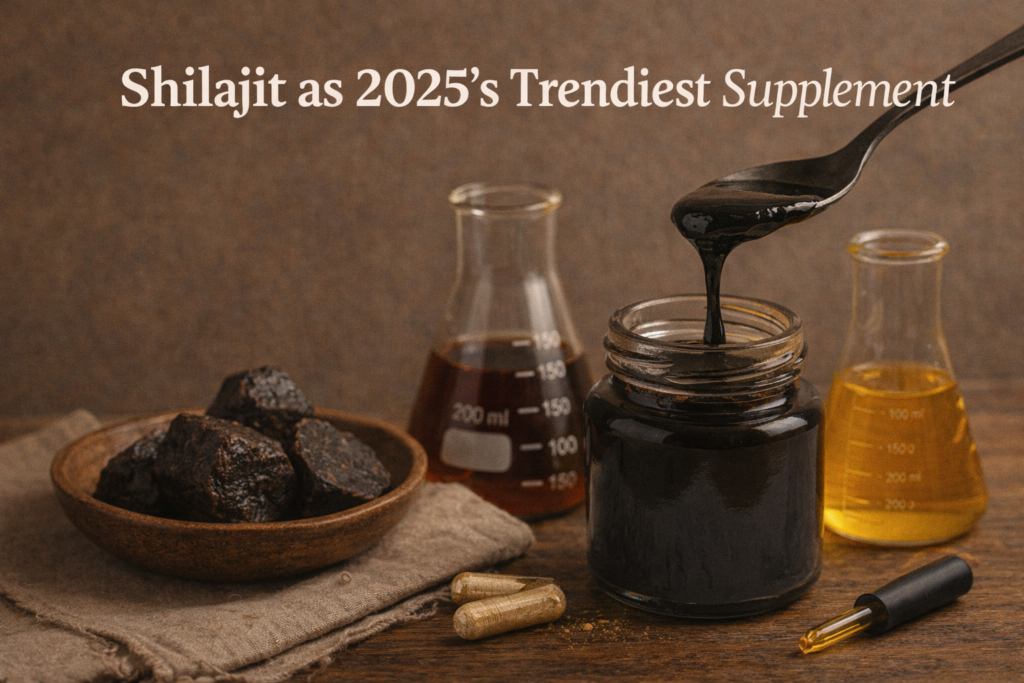
Shilajit is a sticky, tar-like substance that seeps from rocks in mountainous regions. It forms over long periods as plant material breaks down and concentrates into a complex mix of organic compounds and minerals. Traditionally, shilajit has been used in wellness systems such as Ayurveda as a rejuvenating tonic, often associated with resilience, vitality, and restoration.
One of the most talked-about components in shilajit is fulvic acid, alongside a wide spectrum of trace minerals. Together, these are often cited as reasons shilajit is used for overall “recharge” support rather than one narrow goal.
Important: Research into shilajit is still developing. Many benefits are based on traditional use, early-stage studies, and user experience. Shilajit is not a medicine, and it is not intended to diagnose, treat, cure, or prevent any disease.
What is shilajit honey?
Shilajit honey is a blend of purified shilajit (usually resin or an extract) mixed into honey. Depending on the product, it may be a smooth, spoonable paste, a sachet, or a “honey stick” style single serving.
The appeal is simple:
- Ease of use: no measuring sticky resin with a tool.
- Taste: honey can soften shilajit’s strong, earthy profile.
- Routine-friendly: quick before work, workouts, or during travel.
Why honey is a smart carrier
Honey isn’t just a sweetener. It is naturally stable, easy to portion, and culturally used as a “carrier” for herbs in various traditions. When paired with shilajit, honey can make consistency easier: taking a small amount daily is often more realistic when it tastes pleasant and feels simple.
That said, the blend only makes sense if the shilajit is properly purified and present in a meaningful amount, and if the honey quality is high.
Potential benefits of shilajit honey
People typically take shilajit honey for broad, everyday wellness goals. Here are the most common reasons, explained in a grounded way.
1) Daily energy and vitality support
Shilajit is often used as a foundational “tonic” for vitality. In practical terms, many users reach for it when they want to feel more steady throughout the day, especially when routines are demanding. Honey adds quick palatability and makes it easy to take in the morning.
2) Resilience during busy periods
When you’re juggling long days, training, travel, or intense workloads, consistency matters. Shilajit’s reputation as a rejuvenator is one reason it shows up in modern routines aimed at supporting day-to-day resilience.
3) Mineral replenishment and overall balance
Because shilajit naturally contains a wide array of trace minerals (the exact profile depends on the source and purification), it is often chosen as a “broad spectrum” support. This is not the same as a targeted mineral supplement, but it can fit a general wellness approach.
4) A simple, repeatable wellness ritual
One overlooked benefit is behavioural: shilajit honey can be a small daily anchor habit. If the format is enjoyable, people are more likely to stick with it long enough to notice any personal effects.
How to take shilajit honey
Best time to take it
- Morning: popular for routine-building and for those who like a “start-of-day” tonic.
- Pre-workout: some prefer it 30–60 minutes before training as part of their prep ritual.
- Mid-afternoon: if mornings are hectic, a mid-day serving can be easier to remember.
How much to take
Follow the label first, because shilajit concentration varies wildly between brands. As a general rule, reputable products will state:
- the amount of shilajit per serving (not just “with shilajit” on the front),
- the form (purified resin vs extract),
- and ideally a fulvic acid range or a standardisation note (where applicable).
If your product is a honey stick, the serving is usually the whole stick. If it’s a jar, many people start with a small spoonful and build consistency, but the key is matching your spoonful to the brand’s stated serving size.
How to use it (easy options)
- Straight: take it directly from a spoon or stick.
- In warm water: stir into warm (not boiling) water for a soothing drink.
- With yoghurt or oats: an easy way to stack it into breakfast.
- With herbal tea: if you’re building a calming ritual, add it after the tea cools slightly.
Tip: Avoid adding it to boiling liquids. High heat can degrade delicate compounds in honey and may not be ideal for preserving the blend’s quality.
How to choose a quality shilajit honey
Quality matters more with shilajit than with many trend supplements, because contamination and poor processing are real concerns. Use this checklist when choosing a shilajit honey product.
1) Purified shilajit (not raw “rock tar”)
Look for wording that indicates the shilajit is purified. Raw shilajit is not something you want to gamble on.
2) Transparent serving information
A trustworthy label clearly states the amount of shilajit per serving. If it only lists “proprietary blend” or hides the dose, treat that as a red flag.
3) Third-party testing
Ideally, the brand provides independent lab testing for contaminants (such as heavy metals) and confirms identity/purity. If a brand refuses to show testing or gets vague, choose another.
4) Honey quality and sourcing
Shilajit honey should be made with good honey, not cheap syrups. Look for simple ingredients and avoid blends padded with unnecessary additives.
5) Sensory cues (useful, but not definitive)
Shilajit has an earthy, mineral profile. In honey, you may notice a deeper, slightly bitter undertone. However, taste alone is not a reliable test of purity—lab testing matters most.
Who should be cautious?
Even natural products can be inappropriate for some people. Consider extra caution if any of the below apply:
- Pregnant or breastfeeding: avoid unless your clinician advises otherwise.
- Medical conditions or prescription medicines: check with a pharmacist or clinician, especially if you have a condition that requires careful management.
- Allergies: honey is a bee product and may not suit everyone.
- Children: honey is not recommended for infants under 12 months.
If you feel unwell after taking any supplement, stop and seek medical advice.
Shilajit honey vs shilajit resin: which is better?
Neither is “better” universally—it depends on your priorities.
- Choose shilajit honey if you want convenience, an enjoyable taste, and an easy daily ritual (especially if you travel or dislike the resin’s flavour).
- Choose shilajit resin if you prefer maximum control over dosing and want the simplest, most direct format with minimal ingredients.
If you’re starting out, honey sticks can be a low-friction entry point. If you already love the resin and don’t mind the taste, resin might be the more economical long-term option.
Frequently asked questions
Does shilajit honey work immediately?
Some people feel something quickly, but many don’t notice much at first. With wellness supplements, consistency and lifestyle context matter. Think in weeks, not hours.
Can I take shilajit honey every day?
Many users do, following the label serving. If you’re sensitive, start smaller and build up. If you have any health considerations, check with a professional.
Will shilajit honey help with sleep?
People use shilajit for overall resilience rather than as a dedicated sleep aid. If sleep is your main goal, consider pairing your routine with proven sleep habits (light exposure, consistent bedtime, caffeine timing) and purpose-built calming ingredients.
What should a good shilajit honey list on the label?
At minimum: purified shilajit, amount per serving, serving size, and ideally third-party test information. Clear sourcing and quality statements are a bonus.
Final thoughts
Shilajit honey is popular because it turns a traditionally sticky, strong-tasting resin into a simple, repeatable daily ritual. The potential upsides—vitality support, routine consistency, and broad-spectrum “tonic” use—are most likely to show up when the product is genuinely high quality: purified shilajit, transparent dosing, and credible testing.
If you’re choosing one product to start with, prioritise proof of quality over marketing. When you find a clean, well-made blend, shilajit honey can be an easy addition to a grounded,